TL;DR: Senior living communities can make staying connected easier by bringing neighbors, shared spaces, and engaging programs together. This blog explores how social activities for seniors can create natural opportunities to meet others, pursue interests, and build meaningful relationships.
- Community programs and events give residents opportunities to connect through hobbies, classes, games, outings, and gatherings.
- Shared spaces such as dining areas, lounges, gardens, and other common areas can encourage planned and spontaneous conversations.
- Shared meals and interests provide comfortable ways for residents to get to know neighbors and build relationships over time.
- Personal choice matters, with residents able to participate in larger events, smaller groups, or casual interactions based on their preferences.
- Senior living communities can make social connection a more accessible part of everyday life.
Staying socially connected can be an important part of a fulfilling lifestyle at any age. For older adults, regular opportunities to spend time with others can make it easier to build friendships, explore interests, and feel connected to the people around them.
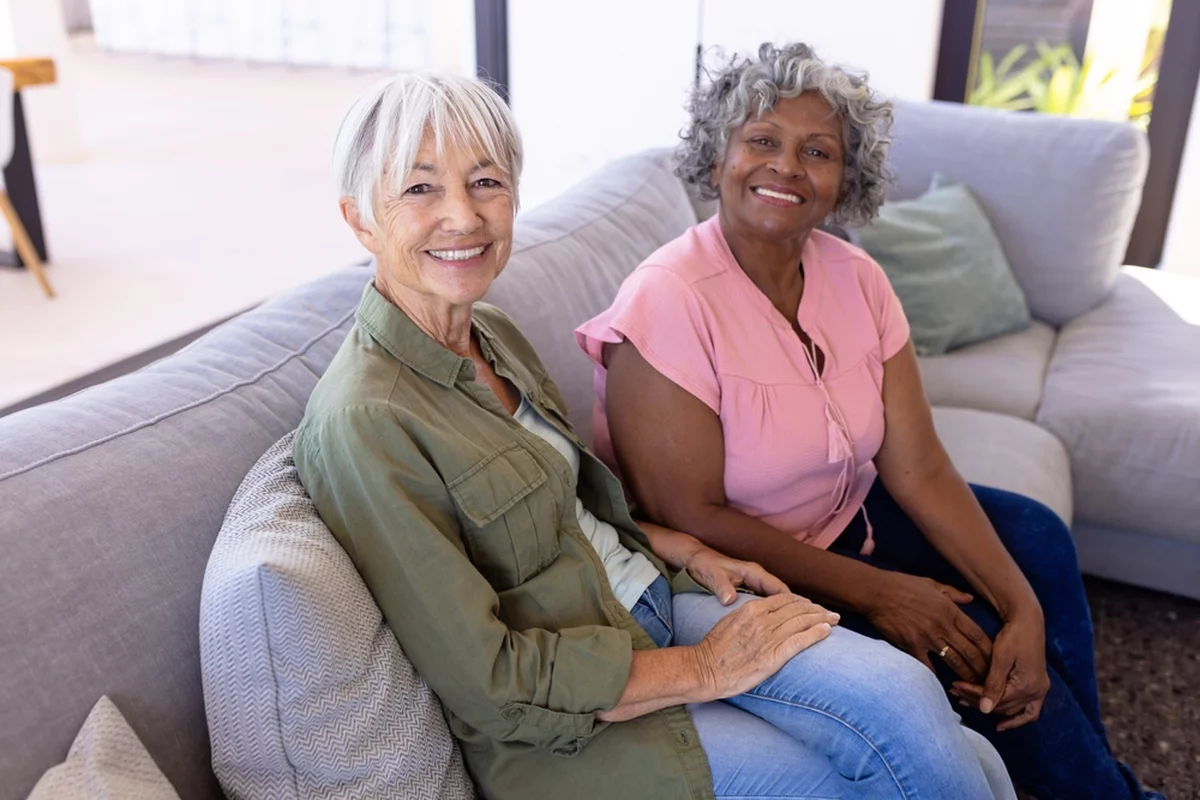
Senior living communities can make these connections more accessible by including neighbors, shared spaces, and engaging programs together in one place. From group classes and shared meals to clubs and community events, social activities for seniors can offer many ways to connect based on individual interests and preferences.
For families researching elderly people’s social activities, it can be helpful to understand how senior living communities encourage social connection in everyday life. Below, we’ll explore some of the ways communities create opportunities for residents to meet others, participate in meaningful programs, and stay socially engaged.
Why Social Connection Matters for Older Adults
Social connection offer opportunities to share experiences, build relationships, and feel connected to a wider community. For older adults, maintaining those connections may become more challenging when routines, living arrangements, or social circles change over time.
Having regular opportunities to interact with others can make staying socially engaged feel more natural. Group activities for senior citizens, such as shared meals, hobby groups, or community events, can provide welcoming settings for conversation and companionship. They also give older adults opportunities to discover new interests while spending time with people who may share similar experiences.
When families explore elderly people’s social activities, variety and personal choice are important considerations. Some older adults may enjoy larger group events, while others prefer smaller gatherings or one-on-one conversations. Having different ways to participate allows each person to connect in ways that feel comfortable and meaningful.
Community Programs and Events Create Opportunities to Connect
Organized programs and events give older adults regular opportunities to spend time with neighbors and connect over shared interests. A varied community calendar can make it easier for residents to choose experiences that appeal to them, whether they enjoy creative hobbies, learning opportunities, games, fitness programs, or social gatherings.
When considering community activities for elderly adults, variety can help accommodate different interests and preferences. Group activities for senior citizens, including book clubs, art classes, movie nights, group outings, and seasonal celebrations, may bring residents together and create opportunities to connect. Smaller gatherings can also provide a comfortable setting for conversation and getting to know neighbors.
Some communities may also offer unique activities for seniors based on resident interests, local opportunities, or special events. By providing different ways to participate, senior living communities can help residents find programs they enjoy while creating natural opportunities to meet others and build connections.
Shared Spaces Make Everyday Socializing Easier
Shared spaces can make social connection a natural part of daily life in a senior living community. Instead of needing to plan every interaction, residents may have opportunities to see neighbors while enjoying a meal, relaxing in a lounge, spending time outdoors, or visiting another common area.
These spaces can also provide comfortable settings for community activities for elderly adults, including group programs, casual gatherings, games, and special events. Depending on the community, residents might gather in dining areas, libraries, gardens, fitness spaces, or other shared settings designed for spending time together.
Just as importantly, common areas can support spontaneous interactions. A quick conversation before dinner or a chat with a neighbor in the courtyard can create opportunities to get to know others over time. With welcoming spaces available throughout the community, residents can choose when and how they want to socialize based on their interests and comfort level.

Shared Meals and Interests Help Build Relationships
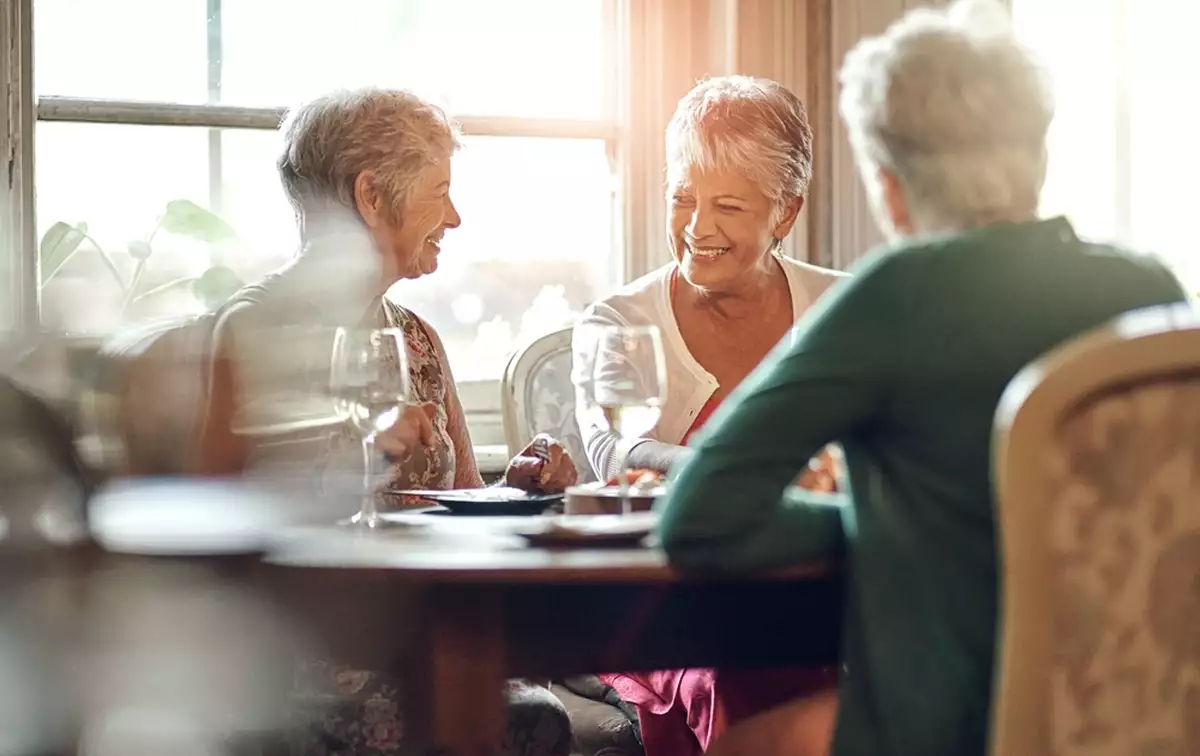
Mealtimes can offer more than a chance to enjoy good food. In a senior living community, shared dining can create regular opportunities for residents to sit together, have conversations, and get to know their neighbors in a relaxed setting. Over time, these everyday interactions can help new connections and friendships develop naturally.
Shared interests can create similar opportunities. Clubs, hobby groups, games, and educational programs bring together residents who enjoy the same things. These social activities for older adults can provide an easy starting point for conversation, whether residents are discovering a new hobby or continuing an interest they have enjoyed for years.
Residents can also choose how much they want to participate. Some may look forward to group meals and larger gatherings, while others may prefer smaller groups. Offering different ways to connect gives residents more flexibility to build relationships at their own pace.
Senior Living Can Support a Stronger Sense of Community
Senior living can bring neighbors, shared spaces, and regular programs together in one community, making it easier for residents to connect with others. Familiar faces and everyday conversations can help create a sense of belonging while giving residents opportunities to participate as much or as little as they prefer.
Community calendars may include social gatherings, clubs, classes, outings, and unique activities for seniors that reflect a range of interests. These opportunities can help residents meet neighbors, spend time with friends, and try something new. Informal moments, such as chatting over coffee or spending time together in a shared space, can also contribute to a welcoming community atmosphere.
Every resident has different social preferences, so having choices matters. By offering multiple ways to connect, senior living communities can support meaningful relationships while allowing residents to decide how they want to spend their time and engage with those around them.
Find Connection and Community at Cypress Court
Staying socially connected can look different for everyone. Some older adults enjoy group programs and shared meals, while others prefer casual conversations or smaller gatherings. Having access to a variety of social activities for seniors gives residents more opportunities to choose how and when they connect with others.
At Cypress Court, residents can spend time with neighbors, explore their interests, and participate in community programs that appeal to them. From organized events to everyday conversations in shared spaces, social activities for older adults can make connection a more natural part of daily life.
Interested in learning more about life at Cypress Court and the opportunities available to residents? Schedule a Tour Today!